
What's inside
As an Amazon Associate I earn from qualifying purchases. This post may contain affiliate links at no extra cost to you.
The best spots for camping and kayaking are places where you can paddle in the morning, and camp at night, without driving far, and without spending a lot. They have a river, a lake, or a sea, that is safe for your skill level, a campsite that is close to the water, and a launch that is easy to use, with a parking lot, and a place to put in a kayak.
For camping and kayaking, start with the water, then the campsite, then the permit. A good spot should have a waterway that is Class I to Class II for a beginner, or Class III for an experienced kayaker, a campsite that costs $20 to $40 a night, or a permit that costs $10 to $20, and a kayak that has a capacity of at least your weight plus 50 lb, and at least 2 air chambers if it is inflatable.
Our top pick is the Boundary Waters Canoe Area Wilderness, in Minnesota. It is a 1.1-million-acre wilderness, with more than 1,000 lakes, and with canoe-in campsites, that are only accessible by water, and with a permit system, that limits the number of people, so it is quiet, and uncrowded. It is the best balance of paddling, camping, and wilderness in this guide for camping and kayaking.
The ratings below are editorial assessments based on paddling, camping, scenery, and value. They are not customer-star averages. Prices are typical ranges for a campsite or a permit per night, not fixed prices, and they vary by park, by season, and by site type.
Our Top Picks
Best Spots for Camping and Kayaking Compared
| Place | Water | Best for | Typical price range | Rating |
|---|---|---|---|---|
| Boundary Waters, Minnesota | Lakes, portages | Wilderness canoe camping | $15–$30 / night | 4.8 / 5 |
| Everglades National Park, Florida | Everglades, Gulf | Wildlife, mangroves | $20–$35 / night | 4.7 / 5 |
| Apostle Islands, Wisconsin | Lake Superior | Sea kayaking, sea caves | $15–$30 / night | 4.7 / 5 |
| Ozark National Scenic Riverways, Missouri | Current River, Jacks Fork | Beginner river camping | $15–$30 / night | 4.6 / 5 |
| San Juan Islands, Washington | Puget Sound | Sea kayaking, orcas | $25–$40 / night | 4.6 / 5 |
| Chesapeake Bay, Maryland | Chesapeake Bay | Family paddling, history | $20–$35 / night | 4.5 / 5 |

360°Rotation LED Boat Spotlight with Clamp, Portable 3 Inch Dual Power LED Work Light Bar 12V Marine Spot Lights for Boats Fishing, Clamps/Cigarette Lighter Power Headlights for Kayaking Camp Truck RV
As an Amazon Associate we earn from qualifying purchases. Product prices and availability are accurate as of the date/time indicated.
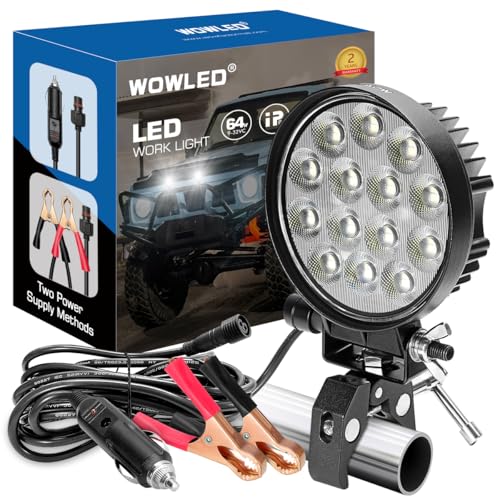
LED Boat Spotlight with Mounting Clamp, Super Bright LED Work Light 12V | Marine Spot Lights for Boats Night Fishing, Battery Clamps/Cigarette Lighter Power Boat Headlights for Kayaking Camp Truck RV
As an Amazon Associate we earn from qualifying purchases. Product prices and availability are accurate as of the date/time indicated.

SEEKWAY Barefoot Water Shoes Women Men Quick-Dry Aqua Scoks Beach Swim Pool Lake Non-Slip | Surfing Kayaking Cruise Camping Accessories River Hiking
As an Amazon Associate we earn from qualifying purchases. Product prices and availability are accurate as of the date/time indicated.
Prices shown are approximate and for reference only. Prices change often, so please check the current price on Amazon before you buy.
Best Spots for Camping and Kayaking Reviews
1. Boundary Waters Canoe Area Wilderness, Minnesota: Best Overall Spot for Camping and Kayaking
The Boundary Waters Canoe Area Wilderness, in northern Minnesota, near Ely, is a 1.1-million-acre wilderness, with more than 1,000 lakes, and with canoe-in campsites, that are only accessible by water, and with a permit system, that limits the number of people. It is the top pick in this guide, and it is the place most paddlers should start with, if they want a wilderness trip, with no roads, no motors, and no crowds.
You need a permit to enter the Boundary Waters, which costs $15 to $30 a night, depending on the season, and you need a canoe, or a kayak, with a capacity of at least your weight plus 50 lb, and a life jacket, that is approved by the U.S. Coast Guard. You will paddle from lake to lake, with portages, or carries, between lakes, where you carry your canoe, and your gear, on a trail, for a few hundred yards, to the next lake.
At $15 to $30 a night, a permit is affordable, and it is the best value for a wilderness trip, in the United States, because it includes a campsite, a fire grate, and a latrine, at a canoe-in site, with a view of a lake. Use the Boundary Waters if you want a quiet, wilderness trip, with no roads, and with a lake to yourself, in the morning.
2. Everglades National Park, Florida: Best Spot for Camping and Kayaking for Wildlife
Everglades National Park, in southern Florida, near Homestead, is a 1.5-million-acre park, with a river of grass, with mangroves, and with the Gulf of Mexico, and with chickees, or wooden platforms, for camping, that are only accessible by water. It is a good choice if you want to see wildlife, like alligators, manatees, and birds, and you want to kayak in a mangrove tunnel, or in a bay.
You need a backcountry permit to camp in the Everglades, which costs $20 to $35 a night, and you need a kayak, with a capacity of at least your weight plus 50 lb, and a life jacket, and a map, because the Everglades is a large, flat area, with no landmarks, and it is easy to get lost. You can paddle from Flamingo to the Gulf, or from Everglades City to the Ten Thousand Islands, and camp on a chickee, or on a beach, with a permit.
Use the Everglades if you want a warm-weather trip, in winter, when the weather is dry, and the mosquitoes are fewer, and you want to see wildlife, that you cannot see anywhere else in the United States. Do not paddle in the Everglades in summer, without insect repellent, and without checking the weather, because it can be hot, humid, and rainy, with thunderstorms.
3. Apostle Islands National Lakeshore, Wisconsin: Best Spot for Camping and Kayaking for Sea Caves
Apostle Islands National Lakeshore, in northern Wisconsin, near Bayfield, is a group of 22 islands, in Lake Superior, with sea caves, with beaches, and with campsites, that are only accessible by water, or by a ferry, to the main island. It is a good choice if you want to sea kayak, and you want to see sea caves, and you want to camp on an island, in Lake Superior.
You need a permit to camp on an island, which costs $15 to $30 a night, and you need a sea kayak, with a capacity of at least your weight plus 50 lb, and a life jacket, and a spray skirt, because Lake Superior can be cold, and it can have waves, even on a calm day. You can paddle from Bayfield to the sea caves, at Meyers Beach, or from island to island, and camp at a designated site, with a fire ring, and a bear box.
Use the Apostle Islands if you want a sea kayaking trip, with sea caves, and with an island campsite, and you are an experienced kayaker, or you go with a guide, because Lake Superior can be dangerous, with cold water, and with a strong wind. Check the weather before you go, and do not paddle if the wind is high, or if the waves are large.
4. Ozark National Scenic Riverways, Missouri: Best Spot for Camping and Kayaking for Beginners
Ozark National Scenic Riverways, in southern Missouri, near Eminence, is a national park, with the Current River, and the Jacks Fork River, which are spring-fed, clear, and cold, and which are Class I to Class II, which is safe for a beginner, with a life jacket, and with a kayak. It is a good choice if you want a beginner river trip, with a campsite, that is close to the water, and with a river, that is easy to paddle.
You can paddle the Current River, from Akers Ferry to Pulltite, or from Pulltite to Round Spring, and camp at a riverfront campsite, at $15 to $30 a night, or at a primitive campsite, along the river, with a permit. You can also rent a kayak, at a local outfitter, if you do not own one, for $40 to $60 a day, depending on the type, and on the season.
Use the Ozarks if you want a beginner river trip, with a clear, cold river, and with a campsite, that is close to the water, and you want to paddle for a day, or for a weekend, without a multi-day trip. It is a good choice for a family, or for a first river trip, because the water is calm, and there are no large rapids.
5. San Juan Islands, Washington: Best Spot for Camping and Kayaking for Orcas
San Juan Islands, in northwestern Washington, near Anacortes, are a group of islands, in Puget Sound, with orcas, with seals, and with sea kayaking, that is best in summer, when the weather is dry, and the water is calm. It is a good choice if you want to sea kayak, and you want to see orcas, and you want to camp on an island, in the Pacific Northwest.
You need a permit to camp on an island, which costs $25 to $40 a night, and you need a sea kayak, with a capacity of at least your weight plus 50 lb, and a life jacket, and a dry suit, or a wetsuit, because the water in Puget Sound is cold, even in summer, at about 50 degrees Fahrenheit. You can paddle from San Juan Island to Orcas Island, or from Lopez Island to Shaw Island, and camp at a designated site, with a fire ring.
Use the San Juan Islands if you want a sea kayaking trip, with orcas, and with an island campsite, and you are an experienced kayaker, or you go with a guide, because Puget Sound can have strong currents, and it can be dangerous, if you do not know the tides. Check the tide chart before you go, and do not paddle against a strong current.
6. Chesapeake Bay, Maryland: Best Spot for Camping and Kayaking for Families
Chesapeake Bay, in Maryland, near Annapolis, is a large estuary, with calm water, with beaches, and with campsites, that are close to the water, and with a history, that is different from most places in the United States. It is a good choice if you want a family paddling trip, with a calm bay, and with a campsite, that is close to the water, and you want to paddle for a day, or for a weekend.
You can paddle in the Chesapeake Bay, from a state park, like Janes Island, or from a private campground, and camp at a campsite, at $20 to $35 a night, with a life jacket, and with a kayak, that is stable, like a sit-on-top kayak, or a recreational kayak. You can also paddle in a tributary, like the Choptank River, or the Patuxent River, which are calmer than the main bay, and which are best for a beginner.
Use Chesapeake Bay if you want a family-friendly trip, with a calm bay, and with a campsite, that is close to the water, and you want to paddle, swim, and camp, without driving far, from Washington, D.C., or from Baltimore. It is a good choice for a first kayaking trip, because the water is calm, and there are no rapids, and no strong current, on a calm day.
Best Spots for Camping and Kayaking Buying Guide
Start with the water, then the campsite, then the permit. A good spot for camping and kayaking should have a waterway that is safe for your skill level, a campsite that is close to the water, and a permit that is affordable, usually $15 to $40 a night. Every place in the table meets those tests for its type. The differences are in whether the water is a lake, a river, or a sea, whether it is Class I or Class III, and whether it is best for a beginner, a family, or an experienced kayaker.
What to pack for camping and kayaking
Pack a kayak with a capacity of at least your weight plus 50 lb, and at least 2 air chambers if it is inflatable, a life jacket that fits, and that is approved by the U.S. Coast Guard, a paddle, a dry bag for your phone and for your keys, and a water bottle. Pack a tent with a peak height of at least 40 inches for a couple, or 72 inches for a family, a sleeping pad with an R-value of at least 4, and a sleeping bag rated for at least 40 degrees, for summer, or 20 degrees, for fall.
Pack a tent footprint, slightly smaller than the tent floor, to protect the tent floor from rocks, and a tarp, to block wind, and to keep rain off. Pack a lantern with at least 100 lumens for a two-person tent, or 200 lumens for a four-person tent, and a headlamp, for walking to the bathroom at night.
Check the weather before you go, and check the water level, especially for a river, which can be dangerous after rain, and check the tide chart, for a sea, like Puget Sound, or Lake Superior, which can have strong currents. Do not paddle in a thunderstorm, and do not paddle if the wind is high, especially on a lake, or on a sea.
Best Spots for Camping and Kayaking FAQ
Where is the best place to camp and kayak in the US?
The best place to camp and kayak in the US for most people is the Boundary Waters Canoe Area Wilderness, in Minnesota. It has more than 1,000 lakes, canoe-in campsites, and a permit system that limits the number of people, so it is quiet, and uncrowded. It is best for a wilderness trip, with no roads, no motors, and no crowds, at $15 to $30 a night.
Do I need a permit to camp and kayak?
Yes, in most cases, if you camp in a national park, a state park, or a wilderness area, you need a permit, or a reservation, for a campsite, which usually costs $15 to $40 a night, depending on the park, and on the season. Check the park website before you go, for the current rules, and for the permit, and book early, because popular places, like the Boundary Waters, and the Everglades, can sell out, especially in summer, and in winter, for the Everglades.
What is the best river for beginner kayaking?
The best river for beginner kayaking is the Current River, in Ozark National Scenic Riverways, Missouri, or Pine Creek, in Pennsylvania. Both are Class I rivers, which means they are mostly flat water, with small riffles, and no large rapids, which makes them safe for a beginner, with a life jacket, and with a kayak that has a capacity of at least your weight plus 50 lb.
Can I kayak on Lake Superior?
Yes, if you are an experienced kayaker, or you go with a guide, and you use a sea kayak, with a spray skirt, and a life jacket, and you check the weather before you go. Lake Superior can be cold, even in summer, at about 50 degrees Fahrenheit, and it can have waves, even on a calm day, so do not paddle if the wind is high, or if the waves are large, and do not paddle alone, without a guide, if you are a beginner.
FAQ
Where is the best place to camp and kayak in the US?
Do I need a permit to camp and kayak?
What is the best river for beginner kayaking?
Can I kayak on Lake Superior?
Related guides
- Best Camping Stove for Budget Camping in 2026: Affordable Two-Burner and Single-Burner Camping Stoves
- Camping Chair in 2026: How to Choose a Comfortable, Durable Chair That Fits Your Car, Your Body, and Your Campsite
- Water Filter: 6 Best Water Filter Picks for Camping in 2026
- Best Sleeping Bag in 2026: 7 Sleeping Bags That Offer Warmth, Comfort, and Reliable Performance for Camping
More from Amazon
Programs that pair well with the guide above. Offers and eligibility are set by Amazon and may change.
Free shipping on eligible items, Prime Video and more. Eligible new members can start with a free trial.
Start a Prime free trialA Prime membership for ages 18-24 with a trial period. Eligibility is set by Amazon.
See Prime for Young AdultsAudiobooks and podcasts to listen to on the go. Eligible new members can start with a free trial.
Try Audible freeAd-free music streaming. Eligible new subscribers can start with a free trial.
Try Music Unlimited freeAs an Amazon Associate we earn from qualifying purchases.


Write Your Review
No reviews yet. Be the first to share your experience!