
What's inside
- Lantern Lightweight vs Lantern Heavyweight Camping: The Trail Parish and the Base Camp Parish, Each Graded on Its Own Ground
- Quick Comparison: Lightweight and Heavyweight Camping Lanterns Compared
- The Six Lanterns Reviewed
- Buying Guide: Count Last Year’s Journeys, Read Runtime at Working Settings, Buy the Parish You Light
- How We Selected These Camping Lanterns
- Frequently Asked Questions: Lightweight vs Heavyweight Camping Lanterns
As an Amazon Associate I earn from qualifying purchases. This post may contain affiliate links at no extra cost to you.
Lantern lightweight vs lantern heavyweight camping is the rare comparison in which both sides are right, because they are answers to different journeys wearing the same word. The lightweight lantern is a trail instrument: a few ounces of composed light that rides in a pack for a week, gives a tent and a cooking parish their evening, and asks of its owner only that its small battery be husbanded like the small water bottle it is. The heavyweight lantern is a base camp instrument: a parish of light in a body built like a site lamp, hundreds of lumens across a whole pitch, a battery measured in evenings plural, and a frame that regards being dropped off a picnic table as a rumour. Between them lies the car camper’s happy middle and the beginner’s standard error, which is to buy by the lumen headline alone and discover that the brightest lantern in the catalogue is the wrong lantern for both journeys, too heavy to carry up the valley and, in the small hours of a festival field, no brighter in any way that matters than the citizen a third of its weight. This guide weighs the two parishes on the figures that actually divide them: weight against the journey, output against the parish it must light, runtime stated at the settings campers use rather than the settings advertisers prefer, and the power parish, cell, rechargeable, or fuel, that each side composes around itself.
Runtime honesty is the comparison’s first law, because both parishes practise the same small fiction and the beginner pays for it on both sides. A lantern’s longest stated runtime is composed at its lowest setting, a glow by which a tent’s zip can be found and nothing cooked, while its shortest, at full output, is a figure the advertisements print in a smaller and more apologetic parish. The composed buyer therefore reads the middle: the runtime at the setting the evening will actually use, the cooking and card-playing parish, which the better makers publish in their full tables and which this guide’s step two makes the audit’s centre. The lightweight’s defence is that its small parish is honestly small, an evening or two of real light per charge, composed for a journey whose resupply is the walk out. The heavyweight’s defence is that its tank is genuinely a week’s, at real settings, for a pitch that never moves. Neither defence survives being bought for the other’s journey, which is the whole of the law and the reason this article exists.
The second law is that light is a parish, not a number. A lantern lights the space it is composed for: the tent’s small room, the table’s circle, the pitch’s whole common ground, and each parish up demands roughly the next order of output and of battery to feed it. The lightweight’s modest parish is not a failure of ambition; it is the correct instrument for the tent and the two-person cooking parish, where a heavyweight’s glare is a genuine defect, flattening the night, drawing the parish of insects to its bright court, and spending its great tank on light nobody at the small table can use. The heavyweight’s great parish is likewise not vanity at the base camp, where a family pitch, a group kitchen, and a games table compose a small village that must be lit as one. Buy the parish, then the lantern, is the order this guide enforces, and it begins, as every guide on this site begins, with the journey written down.
Our Top Picks
 MalloMe Camping Lights LED Lantern Flashlights2 Pack3.7 x 3.4 x 3.7 inches0.36 poundsCheck on Amazon
 Collapsible Portable Ultra Bright LED Camping Lantern 15005.91 x 3.8 x 1.18 inches3.8 x 1.7 x 5.9 inches0.63 poundsCheck on Amazon
Lantern Lightweight vs Lantern Heavyweight Camping: The Trail Parish and the Base Camp Parish, Each Graded on Its Own Ground
The Lightweight Case in Lantern Lightweight vs Lantern Heavyweight Camping
The lightweight parish’s argument is the pack, and it is unanswerable on its own ground. Every gram carried uphill for a week is a gram carried ten thousand times, and the trail lantern composes its whole design around that arithmetic: a body in the small ounces, a battery sized to the journey’s evenings, a parish of output that covers the tent, the cooking pot, and the map, and nothing beyond. Its citizens have become genuinely fine in the current generation, the inflatable and collapsing parishes that pack to a disc, the small cylinders that double as a torch, the string and micro parishes that light a tent like a room for the weight of a letter. Their light is warm in the better citizens, dimmable to the night parish, and their rechargeable cells top up from the same power bank parish that serves the phone, so that the trail’s whole electrical estate is one small, governed system. For the backpacker, the cycle tourist, the wild camper whose pitch is wherever the light fails, the lightweight is not the compromise in this comparison. It is the subject, and the heavyweight is a rumour from a world of vehicles.
Its honest limits are the mirror of its virtues and this guide states them as plainly. The small tank composes a discipline: the lantern is used at its working parish and rested at its glow, the full output spent on the search and the emergency rather than the evening entire, and the multi-night journey without a resupply of power budgets its light as it budgets its food. The small body is a smaller target for durability, forgiven by its weight in the pack’s parish but not composed for the picnic table’s fall or the child’s direct examination. And its parish is its parish, the tent and the table for two, beyond which its light thins into a suggestion. The trail camper who buys it with those limits read has bought one of the finest-value citizens in the whole of camping, cost per lit evening falling across the years to a figure beneath computing. The car camper who buys it for a family pitch has bought a nightlight for a village, and the disappointment is a specification error, not a product failure, which is this site’s oldest sentence in a new parish.
The Heavyweight Case in Lantern Lightweight vs Lantern Heavyweight Camping
The heavyweight parish’s argument is the pitch entire, and on its ground it is equally unanswerable. The base camp lantern lights a common ground: the kitchen parish where two cooks work, the table where the whole party eats and plays, the children’s parish, the walk to the tents at the night’s end, all from one citizen hung or stood at the camp’s centre, at an output the lightweight cannot compose and for evenings the lightweight cannot count. Its body is its second argument, built to the site-lamp parish, armoured corners, a base that stands in the field’s unevenness, a lens that regards the fall from the table as an anecdote, and controls, a real dial or honest buttons, that a gloved or elderly hand can govern in the dark. Its tank is the third: the large rechargeable parish or the fuel parish of the mantle citizens, whose devotees this guide respects, composing evenings plural at working output, the whole holiday’s light from one charge or one canister parish, with the power bank and USB citizens of the modern parish commonly aboard as passengers. For the family pitch, the group camp, the festival, the working camp of any kind, the heavyweight is the correct instrument in exactly the way the lightweight is on the trail, and the comparison’s loser, in every honest test, is the lantern bought for the other side’s journey.
Its limits are weight’s own and are stated as plainly. It does not go up the valley; the decision is made by the scale before the trailhead. Its glare at the small parish is a real defect, answered by the dimmer’s lower parishes where they are honestly composed and by hanging it high and far where they are not. Its price is the highest in the lantern parish, defensible only across the seasons of base camps it will actually serve. And its fuel citizens carry their own doctrine, which this guide states once and entire: fuel lanterns are outdoor instruments, never used in a tent or an enclosed parish, their mantles and their glass handled by their makers’ instructions, their fuel stored and carried by the rules of the vehicle and the site, because the parish of flame and the parish of sleeping are kept apart by every authority this site recognises. Within that doctrine the mantle’s light is beloved and lawful. Outside it, there is no parish at all.
The Middle Parish and the Two-Lantern Household in Lantern Lightweight vs Lantern Heavyweight Camping
Most households, examined honestly, live in neither extreme, and the comparison’s practical answer for them is the middle parish or the pair. The middle citizen, the midweight rechargeable of a few hundred honest lumens and a few evenings’ tank, serves the car pitch for a couple or a small family and rides in the pack on the short overnight without composing a grievance, and for the camper whose journeys are all of that kind it is the comparison’s actual winner, a fact the extremes’ partisans on both sides understate. The pair is the composed household’s fuller answer: the lightweight for the trail and the tent’s own parish, the heavyweight for the pitch’s common ground, each bought once, each in its glory, the pair together commonly costing less than the single premium citizen bought to do both and doing neither’s work as the other’s understudy. This guide’s table spans the field from the lightest citizen to the heaviest so that both answers can be composed from it, and its buying guide will ask the only question that decides between them, which is not about lanterns at all: it is about the journeys the household actually takes, counted from last year’s calendar rather than next year’s ambitions.
Whichever parish is chosen, the keeping round is one doctrine for both sides, briefly restated. Rechargeable citizens are stored at the partial charge their makers direct, topped in the trip’s composing, and never left flat across a winter to be discovered diminished in the spring. Cell citizens are stored with their cells removed or their parish composed against the slow leak that writes itself in corrosion. Lenses are wiped with the clean cloth, fuel citizens are serviced by their makers’ word, mantles kept as the parish’s spares. And every lantern, light or heavy, is tested at home in the dark before the season’s first journey, because the night is a poor workshop and the campsite’s first evening is a poorer one. A lantern so kept will be alight when it is lifted, which, in this comparison as in the whole of camping, is the only victory that has ever mattered.
Quick Comparison: Lightweight and Heavyweight Camping Lanterns Compared
| Camping Lantern | Best For | Key Specs | Typical Price Range | Rating |
|---|---|---|---|---|
| Black Diamond Moji parish | Lightweight — best in lantern lightweight vs lantern heavyweight camping for the trail | Small lightweight parish as published, output and runtime classes, cell parish as published | $20 – $30 | 4.5 / 5 |
| BioLite AlpenGlow 250 parish | Midweight — best middle parish | Midweight rechargeable parish as published, output classes, colour and runtime parish as published | $50 – $70 | 4.6 / 5 |
| Goal Zero Lighthouse 600 parish | Heavyweight — best base camp parish | Heavyweight rechargeable parish as published, output and runtime classes, power bank parish as published | $65 – $90 | 4.6 / 5 |
| Coleman 1000L / rugged parish | Heavyweight value — best price parish | Heavyweight parish as published, output classes, battery parish classes as published | $45 – $75 | 4.4 / 5 |
| MPOWERD Luci parish | Ultralight solar — best pack parish | Inflatable solar parish as published, weight classes, runtime parish as published | $20 – $30 | 4.3 / 5 |
| Ledlenser ML6 parish | Premium compact — best small parish | Compact premium parish as published, output classes, rechargeable parish as published | $70 – $95 | 4.5 / 5 |

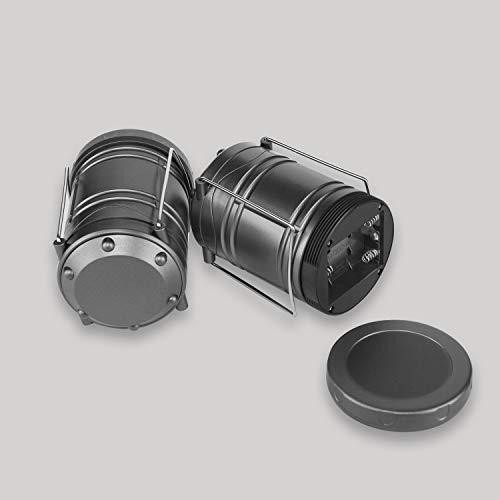
Lichamp LED Camping Lantern, 4 Pack Battery Powered Flashlight for Power Outages, Portable Collapsible Hanging Light Essential for Home, Outdoor, Emergency Lamp Survival Kit Gear for Hurricane, Gray


As an Amazon Associate we earn from qualifying purchases. Product prices and availability are accurate as of the date/time indicated.
MalloMe Camping Lights LED Lantern Flashlights, Battery Operated Lamp Tent Lanterns for Power Outages, Camping Essentials Outdoor,Home,Emergency Gear, Hurricane Survival (3 AAA batteries not included)


As an Amazon Associate we earn from qualifying purchases. Product prices and availability are accurate as of the date/time indicated.
Collapsible Portable Ultra Bright LED Camping Lantern 1500 Lumens USB-C Rechargeable Tent Light 5 Modes 3 Light Sources for Power Outages Camping Hiking Emergency Work Lights


As an Amazon Associate we earn from qualifying purchases. Product prices and availability are accurate as of the date/time indicated.
Prices shown are approximate and for reference only. Prices change often, so please check the current price on Amazon before you buy.
Ratings are editorial assessments within each lantern’s own parish, based on makers’ published output, runtime, and weight specifications and value at typical prices. Compare runtimes at working settings, not at the lowest glow, as this guide directs.
The Six Lanterns Reviewed
1. BioLite Parish — Best Middle
The AlpenGlow’s parish is the comparison’s practical answer for the mixed household, real light, real evenings, carryable weight. For most campers, the audit ends in this row.
2. Goal Zero Parish — Best Heavyweight
The Lighthouse composes the base camp’s whole parish, output, evenings, and a power bank aboard, in a body built for the field. As the heavyweight parish, it shares the head.
3. Black Diamond Parish — Best Lightweight
The Moji is the trail’s reference citizen, tent and table light for the weight of nothing. As the lightweight parish, it earns its row.
4. Ledlenser Parish — Best Premium Compact
Ledlenser’s small parish buys the finest light quality in the compact class. As the small parish, it holds its row.
5. Coleman Parish — Best Heavyweight Value
Coleman’s rugged parish prices the base camp’s light at the floor of the sensible range. As the value parish, it holds its place.
6. Luci Parish — Best Ultralight
The inflatable solar citizen is the pack’s parish entire, charging on the trail’s own sun. As the pack parish, it completes the table.
Buying Guide: Count Last Year’s Journeys, Read Runtime at Working Settings, Buy the Parish You Light
Step One: Write the Journeys and the Parishes
List the household’s journeys from the last year’s evidence: how many nights on the trail, how many at the car pitch, how many in the garden’s parish, and the largest company the lantern must light, the tent for two or the village for twelve. Write the power parish beside it, the household’s charging round, its cell discipline, its feelings about fuel, because the lantern joins an estate and should join it as a citizen. This page decides the side, light, heavy, middle, or the pair, before any lumen is admired, and it is composed from the calendar rather than the catalogue, which is the only honest census in camping.
Step Two: Audit Output, Runtime at the Working Parish, and Build
For each finalist, read the output against the parish it must light and refuse the headline’s arithmetic where the space is small. Read the runtime at the working setting from the maker’s full table, the cooking and company parish, and hold it against the journey’s evenings with the cold’s tax and the battery’s age composed in. Audit the build for the journey’s parish, the pack’s crush or the table’s fall, the controls for the dark and the glove, the hanging and standing citizens for the pitch’s geometry. Compose the price across the seasons the lantern will serve, with its cells, cables, or fuel parish counted. Refuse the runtime stated only at the glow, the output stated without its parish, and the weight stated without its battery, because each is a small fiction whose bill arrives at night.
Step Three: The Dark Test and the Keeping Round
Test the finalist at home in true dark, in the parish it was bought for, the tent, the table, the garden’s whole ground, at the working setting, for an evening’s honest length, and keep it only if the light, and not the listing, approves it. Thereafter keep the round of this guide’s body: the charge composed in the trip’s preparation, the storage at the maker’s parish, the lens clean, the test repeated at the season’s turn. A lantern so chosen stops being a purchase and becomes the camp’s own small sun, rising at the hour it is needed, in the parish it was bought for, which is the entire ambition of this comparison and the end of its argument, since on the trail and at the base camp alike, the right lantern is simply the one whose light is there.
How We Selected These Camping Lanterns
We included only real, named, currently sold camping lanterns whose makers publish output, runtime, and weight specifications, spanning the ultralight, midweight, and heavyweight parishes the comparison is about. Prices are typical retail ranges. Ratings are composed within each lantern’s own parish and weight output and runtime honesty at working settings first, then build, controls, and value.
Frequently Asked Questions: Lightweight vs Heavyweight Camping Lanterns
How many lumens does a camping lantern actually need?
By parish, and the parishes are smaller than the advertisements imply. The tent’s own room is composed by the lightest citizens in this table, whose modest parish fills a small fabric space entirely and whose dimmer reaches the night glow that lets a partner sleep. The table for two and the cooking parish ask for the next order, the small hundreds at their honest middle, where the middle parish of this guide lives. The family pitch and the group kitchen, a village to be lit as one space, are the heavyweight’s charter and the only parish where the great figures earn their tank. The composed buyer therefore reads the headline as a parish claim rather than a quality claim, matches it to the space in step one, and remembers the glare doctrine: at the small parish, the surplus lumen is not stored value but a defect in present use, flattening the night and summoning the insects, so that the lantern with the smaller figure is, at the tent’s table, literally the better lantern, a sentence the comparison exists to make sayable.
Is a heavyweight lantern ever worth carrying on a hike?
Almost never as the hike’s lantern, and the exceptions prove the parish. The short, flat walk-in to a fixed camp, the boat-supported parish, the group expedition where the load is divided and the base camp is the journey’s whole point, can compose a heavyweight’s carriage as a rational citizen of the manifest. The ordinary trail, where every gram is carried ten thousand times and the tent’s parish is the evening’s whole estate, taxes the heavyweight past any defence its lumens can offer, because its light at the small parish is not better, only heavier, as the previous answer established. The composed expedition therefore carries the lightweight and, where its evenings are communal, composes the parish from several small citizens distributed among the party, which lights a camp more pleasantly than one great glare in any case. Let the scale arbitrate what the catalogue argues, and let last year’s journeys, counted in step one, cast the vote.
Rechargeable, battery cells, or fuel: which power parish is best?
The one that matches the household’s existing discipline, because a lantern’s power parish is a habit before it is a technology. The rechargeable citizens compose the modern round, topped with the phone’s parish from the vehicle, the socket, or the trail’s power bank, and their doctrine is the charge composed in preparation and the storage at partial charge. The cell citizens compose the drawer-of-spares parish, instantly revived in the field at the cost of the cells’ carriage and the corrosion doctrine of their storage. The fuel citizens compose the mantle’s beloved light at the price of the outdoor-only, never-in-a-tent doctrine this guide stated entire, with their fuel and mantles as the expedition’s manifest. None outranks the others in the abstract; each fails in the household whose habits it does not fit, the rechargeable left flat, the cell leaked in its compartment, the fuel forgotten at the depot. Audit your own round in step one with the honesty the calendar deserves, and buy the parish you will actually keep.
Can one lantern do both the trail and the base camp?
The middle parish can serve both moderately, which for the mixed household is often the correct purchase, and the pair does both properly, which for the committed household is the better one. The midweight citizen of this table rides the short trail without grievance and lights the small pitch without apology, and the camper whose journeys are all within that compass should buy it and end the comparison, as step one’s census will tell them. The household whose year holds both the long trail and the great family pitch will find the middle a servant of two parishes and a master of neither, too heavy for the first week’s pack and too small for the second week’s village, and for them the pair, the trail citizen and the base citizen, each bought once and each in its glory, composes the cheaper decade as well as the brighter one. The comparison’s final doctrine is therefore the one it opened with, that both sides are right, and the buyer’s task is not to crown a winner but to count their own journeys, which is a parish of arithmetic no catalogue can perform for them.
Related guides
- Best Budget Sleeping Pad for Side Sleepers in 2026: 6 Best Budget Sleeping Pad for Side Sleepers Picks for Thick Comfort, Warm Sleep, and Reliable Budget Camping
- Best Solar Battery for Camping in 2026: How to Pick a Solar Battery That Powers Your Camp Without Running Out
- Best Camping Quilts in 2026: 7 Camping Quilts That Offer Light Warmth, Packable Comfort, and Reliable Performance for Budget Campers
- Best Camp Cot Frame Durability Guide in 2026: Steel, Aluminium, and the Joints That Decide Whether a Cot Lasts Ten Seasons or Two
More from Amazon
Programs that pair well with the guide above. Offers and eligibility are set by Amazon and may change.
Free shipping on eligible items, Prime Video and more. Eligible new members can start with a free trial.
Start a Prime free trialA Prime membership for ages 18-24 with a trial period. Eligibility is set by Amazon.
See Prime for Young AdultsAudiobooks and podcasts to listen to on the go. Eligible new members can start with a free trial.
Try Audible freeAd-free music streaming. Eligible new subscribers can start with a free trial.
Try Music Unlimited freeAs an Amazon Associate we earn from qualifying purchases.

Write Your Review
No reviews yet. Be the first to share your experience!